
History of the Original Knights Templar
Updated: Aug 18, 2025

The Knights Templar — officially known as the Poor Fellow-Soldiers of Christ and of the Temple of Solomon — stand among the most famous, and most mysterious, military orders in history. Founded in 1119 AD, their mission was simple but monumental: protect Christian pilgrims traveling to the Holy Land in the dangerous years following the First Crusade. Over the next two centuries, they would become elite warriors, skilled engineers, master financiers, and symbols of unwavering devotion.
The Birth of the Order
In 1099, after the Crusaders captured Jerusalem, the roads to the Holy City remained dangerous. Pilgrims faced ambushes, robberies, and murders at the hands of bandits and hostile forces. A French knight, Hugues de Payens, along with eight companions, took sacred vows to protect these travelers.
The King of Jerusalem rewarded their dedication by granting them quarters on the Temple Mount — believed to be the site of King Solomon’s Temple — giving them the name Knights of the Temple.
Growth, Training, and Papal Support
From humble beginnings, the Order grew rapidly. In 1129, the Catholic Church officially recognized the Knights Templar at the Council of Troyes. Papal decrees granted them extraordinary privileges: exemption from taxes, the right to cross borders freely, and allegiance solely to the Pope. This made them a powerful force, independent of kings and nobles.
The Templars trained relentlessly. They developed strict codes of discipline and a unique style of mounted warfare, fighting in tightly organized formations. A Templar charge, with heavily armored knights in perfect unity, could smash through larger enemy forces. Their discipline, morale, and belief that dying in battle for Christ was a direct path to heaven made them fearless.
Beating Stronger Armies
Templars often faced enemies who outnumbered them many times over — including the well-equipped armies of Muslim empires. Yet they won battles through:
Superior Organization – Every Templar knew his exact role, and battlefield communication was drilled to perfection.
Advanced Equipment – They used high-quality swords, lances, and armor, often better crafted than their enemies’.
Engineering Skill – Templar engineers built and fortified castles using cutting-edge medieval architecture, allowing small garrisons to withstand massive sieges.
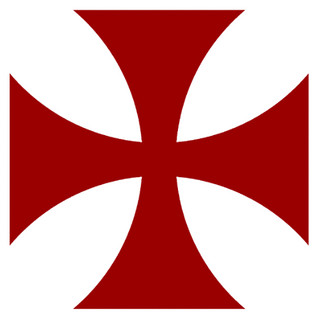
Psychological Impact – Their white mantles with the red cross became a terrifying sight to their foes, symbolizing warriors who would not retreat.
The First International Bankers
Beyond the battlefield, the Templars changed the medieval world through innovation in finance. They developed the earliest form of international banking:
Pilgrims could deposit money in one Templar house in Europe and withdraw it safely in the Holy Land, carrying only a coded receipt.
They provided loans to kings, nobles, and even the Church, becoming trusted custodians of wealth.
They stored treasures in secure vaults and acted as financial intermediaries between kingdoms.
This system reduced theft and allowed safe travel — a revolutionary concept centuries ahead of its time.
The Fall of the Templars
With great wealth and influence came powerful enemies. By the early 14th century, the Templars’ independence and immense resources made them a target for King Philip IV of France, who was deeply in debt to them. On Friday, October 13, 1307, he ordered the arrest of all Templars in France, accusing them of heresy, idolatry, and other fabricated crimes.
Many were tortured into false confessions. Under pressure from Philip, Pope Clement V disbanded the Order in 1312. The last Grand Master, Jacques de Molay, was burned at the stake in 1314, reportedly calling down a curse on the King and the Pope as he died.
Legacy and Legend
Though their official existence ended, the legacy of the Knights Templar lived on. Their innovations in warfare and banking influenced Europe for centuries. Legends speak of hidden treasures, secret archives, and the Holy Grail, fueling fascination to this day.
The Templars’ story is one of faith, courage, discipline, and ingenuity — qualities that continue to inspire modern movements dedicated to defending Christian values and protecting the faithful.


Comments